Why Small Travel Agencies Have an Edge Over Large Ones in 2026
Micro travel agencies (1 to 5 people, small groups, niche destinations) have a structural advantage over large tour operators in 2026.
Micro travel agencies (1 to 5 people, small groups, niche destinations) have a structural advantage over large tour operators in 2026. This isn't a consolation speech for the underdog — it's a market reality. Travelers increasingly seek authenticity, field expertise, and direct human contact, three things large companies simply cannot deliver at scale.
Are travelers in 2026 still looking for mass catalogues?
No. Traveler behavior has fundamentally shifted. They compare, research, read reviews, watch videos, and want to understand who's behind the agency before trusting someone with their trip.
Online travel agencies (OTAs) dominate the standardized travel market: flights, beach resorts, city breaks. But for adventure travel, treks, expeditions, and bespoke itineraries, the traveler wants something different. They want an expert who knows the terrain first-hand, who's been there, who can answer their specific questions. And that expert is rarely a 200-person call center.
Physical travel agencies are actually regaining ground over online-only players. The Covid crisis left travelers without a real contact person in stressful situations. Human-sized agencies were there to respond, and clients remember that.
What competitive advantages do small adventure agencies have?
Five structural advantages that large agencies cannot replicate.
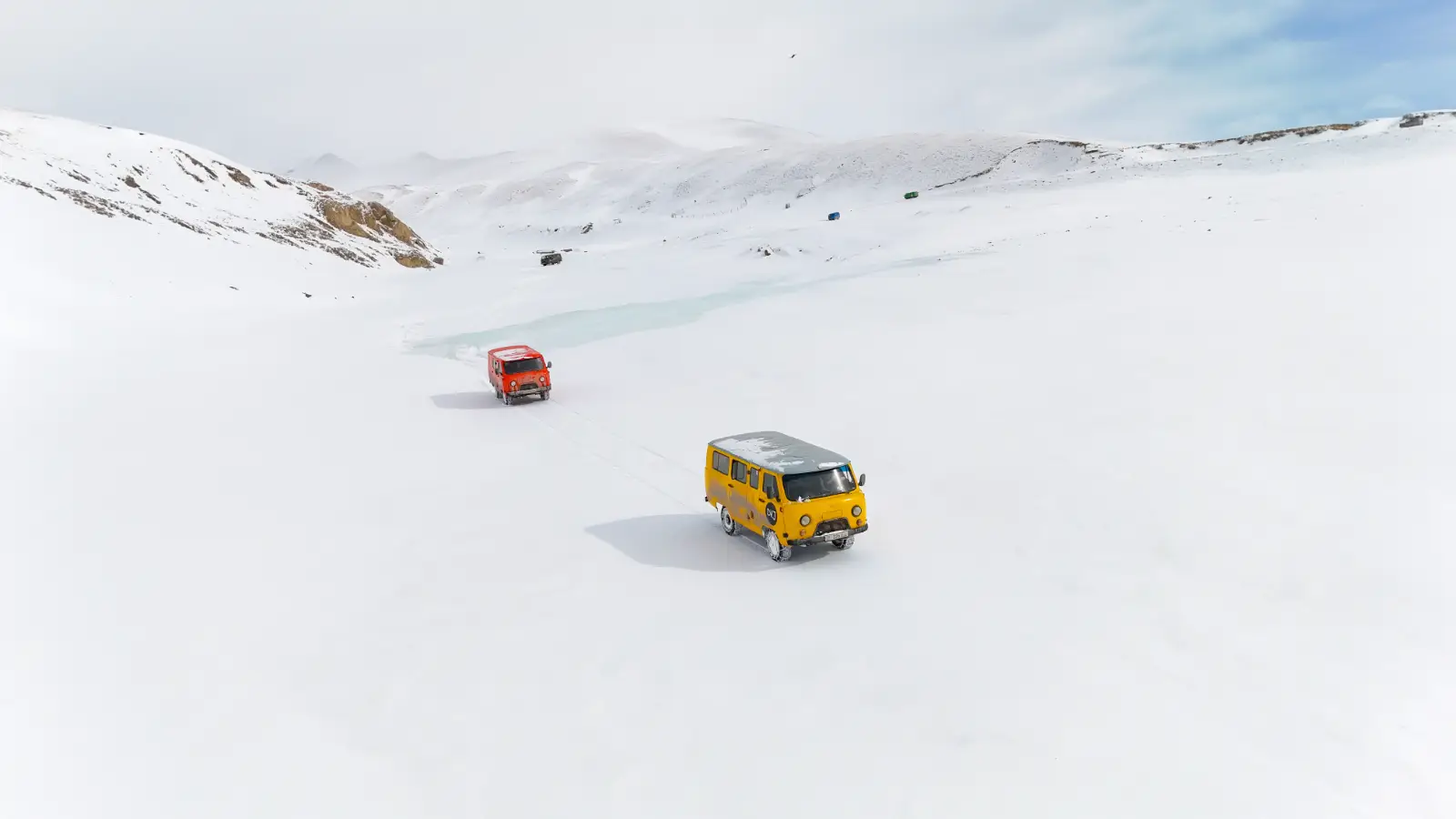
1. First-hand field expertise. When your agency's founder is also the guide who crossed the Gobi Desert on foot, credibility is immediate. No marketing budget can buy that authenticity. On your website, this expertise translates into field photos, personal stories, and videos shot during real expeditions.
2. Direct client relationships. The traveler speaks to the founder, not a sales rep. Trust is built in a single call. And when something goes wrong on the ground, the same person handles it — not an outsourced customer service team.
3. Flexibility. Modifying an itinerary, adding a day, adjusting difficulty level — everything is possible when decisions don't go through 4 layers of approval. Small agencies can customize every trip in real time.
4. Specialization. An agency that only does treks in Kyrgyzstan and Mongolia will always be more credible on those destinations than a TO offering 200 destinations worldwide. Specialization is a powerful trust signal.
5. Digital agility. A small agency can publish an Instagram Reel within the hour, update their website in a day, launch a blog in a week. Large organizations have approval processes that slow everything down.
How do you turn these advantages into actual clients?
Having advantages isn't enough — you need to make them visible. Too many small agencies have exceptional expertise but a website that doesn't reflect it, zero Google presence, and communication that fails to show their difference.
Make your expertise visible on your site. A detailed "About" page with founder and guide bios, field photos, number of trips organized, destinations covered. These are the E-E-A-T signals (Experience, Expertise, Authoritativeness, Trustworthiness) that Google and LLMs value. See our guide on creating a website that converts.
Invest in authentic content. Your greatest strength is that you live what you sell. Show it. A blog with field stories, videos shot during your expeditions, photos nobody else has. This is the content that stops the scroll, keeps visitors on your site, and convinces.
Use social proof. Every satisfied traveler is a potential ambassador. Collect testimonials (on video if possible) systematically. Display them everywhere: website, social media, emails. A testimonial saying "I spoke directly to the founder, he knew every mountain pass" is worth more than any ad campaign.
Does digital level the playing field?
Yes, and this is the best news for small agencies. Fifteen years ago, visibility required massive ad budgets (print, TV, trade shows). Today, a well-optimized website, an active blog, and a consistently maintained Instagram account are enough to be found by the right travelers.
SEO is the great equalizer. A well-written blog post about "Preparing for a Mongolia trek" can outrank large TO pages on Google — because Google values content depth, expertise, and freshness, not company size. Building this digital strategy step by step requires no massive budget.
LLMs (ChatGPT, Perplexity, Claude) are also changing the game. When a traveler asks "Which agency specializes in Kyrgyzstan treks?", AIs look for expert, specialized content. The small agency with 10 detailed articles about Kyrgyzstan has a better chance of being cited than the large TO with a generic page.
How should you position against OTA competition?
OTAs (Booking, Expedia, GetYourGuide) aren't your direct competitors if you sell bespoke adventure travel. Your real competitor is the similar agency with a better website, better content, and better visibility.
The key is to never compete on price (OTAs will always win) but on value: expertise, personalization, safety, human contact. And communicate it clearly at every touchpoint. Your website should answer "why you over someone else?" within 5 seconds. If it doesn't, your site has a positioning problem.
What are the priority investments for a small agency in 2026?
Three investments that generate the best returns for a micro travel agency.
1. A professional website (€4,000 to €6,000). The foundation. A site that inspires trust, sparks wanderlust, and guides toward contact. It pays for itself in months with a single additional group booking per quarter.
2. Regular content (time + possibly writing budget). 2 blog posts per month, 3 Instagram posts per week. No massive budget needed — your field expertise IS your content. Tell your travel stories, answer prospect questions, share your photos.
3. A video shoot at your flagship destination (€2,500 to €5,000). A promotional film plus Reels for 6 months of content. This investment accelerates everything else — website, social media, ads. Details in our promotional video guide.
Total: €6,500 to €11,000 for a complete digital ecosystem that works for you for 2 to 3 years. Compare that with the cost of a single trade show (€2,000-5,000 for 3 days).
Are you a small travel agency with big expertise? At Nomia Studio, we help micro adventure agencies transform their field know-how into a digital presence that converts. Book a free 30-minute discovery call.
Questions fréquentes
Small agencies offer human and personalized expertise that large retailers cannot offer. An advisor who knows his customers by their first name, understands their desires and creates tailor-made trips represents an incomparable added value compared to automated platforms.
By positioning itself on the niche, expertise and customer relationships. Where the giants rely on volume and prices, a small agency wins by specializing in a destination or type of trip and by offering support from A to Z.
Yes, this is the number 1 argument of customers who flee platforms. Travelers who choose a small agency look for someone who really knows the destination, anticipates problems, and manages the unexpected. This service has real monetary value that many customers are willing to pay more.
By humanizing the site: photo and biography of the advisor, authentic customer testimonies, first-person travel stories. A site that shows the human behind the agency converts much better than an impersonal catalog of destinations.
Depuis le début ils nous font confiance pour la création de leurs contenu visuel ou web.