Tourism Web Agency: Why You Need a Sector Specialist
Why a general web agency is not enough for tourism. The 5 concrete differences with a specialist and how they impact your results.
You can hand your website project to any web agency. They'll deliver a functional site. But there's a fundamental difference between a site that works and a site that converts travelers into clients. That difference is sector knowledge.
After working exclusively with travel agencies, tour operators, and expedition organizers for over three years, we've identified what separates a generalist web provider from a web agency specialized in tourism.
What is a web agency specialized in tourism?
A specialized tourism web agency doesn't "also do" tourism. It does only that. Its portfolio contains travel websites. Its references are travel agencies. It knows the vocabulary, the constraints, the expectations of travelers, and the technical specificities of the sector.
The difference with a generalist isn't in code quality or platform mastery. It's in understanding the traveler's purchase journey, the conversion levers specific to tourism, and the mistakes that only sector experience helps you avoid.
Why is tourism such a unique sector for web design?
Five characteristics make tourism fundamentally different from standard e-commerce or B2B websites.
An extremely long decision journey
A traveler doesn't book a 10-day trek in Kyrgyzstan in 30 seconds. The average journey includes 3 to 5 visits to your site, spread over several weeks. The traveler compares, reads reviews, watches videos, discusses with family, then comes back.
An effective travel website must support this long journey: inspire on the first visit, reassure on the second, convince on the third, and make contact obvious at every stage.
A generalist designs sites for quick conversions (add to cart, sign up). They're not used to designing journeys that span weeks.
Emotion as the primary conversion driver
In e-commerce, people buy with logic (price, specs, comparisons). In adventure tourism, people buy with emotions first, then rationalize afterward.
A 2-minute film showing the reality of an expedition converts better than 10 pages of text. Authentic field photos create more trust than the best sales copy. A tourism specialist knows how to integrate video and photography effectively without sacrificing loading speed. See our video production for travel agencies page to understand video's impact.
A critical level of trust required
The traveler entrusts their vacation time and sometimes their physical safety to your agency. The trust level required is far higher than for a standard online purchase.
Trust signals in tourism are specific: traveler testimonials (on video ideally), photos of the team in the field, concrete numbers (travelers accompanied, years of experience), certifications (ATR, quality labels), and a visible human contact method (phone, WhatsApp).
A generalist will add a standard "customer reviews" banner. A specialist will place a video testimonial right after a trek description, at the exact moment the prospect hesitates.
Sector-specific technical constraints
Travel websites mean heavy images, videos, multilingual content, destination pages, departure calendar integration, contextual quote forms. It's a technical cocktail that generalists rarely master.
Performance (loading speed) is particularly critical because travel sites are inherently visual-heavy. A specialist knows how to optimize image weight (WebP/AVIF, lazy loading), host video properly, and maintain a PageSpeed score above 80 despite the visual richness.
Highly specific niche SEO
Your prospects' queries are very precise: "Mongolia trek agency," "Kyrgyzstan adventure travel," "polar expedition price." A tourism specialist knows these queries, understands how to structure a blog to capture them, and knows how Schema.org structured data (TravelAgency, TouristTrip) can improve your visibility.
What concrete difference does it make on results?
Numbers speak. Here's what we observe comparing our custom-built sites with clients' previous "generalist" sites.
For De Verdwaalde Jongens, the combination of custom site + field video content generated an ROI of x10.7 in 2 months (€80,000 in bookings for an investment of €8,265). Their previous WordPress site had never generated a measurable inbound inquiry.
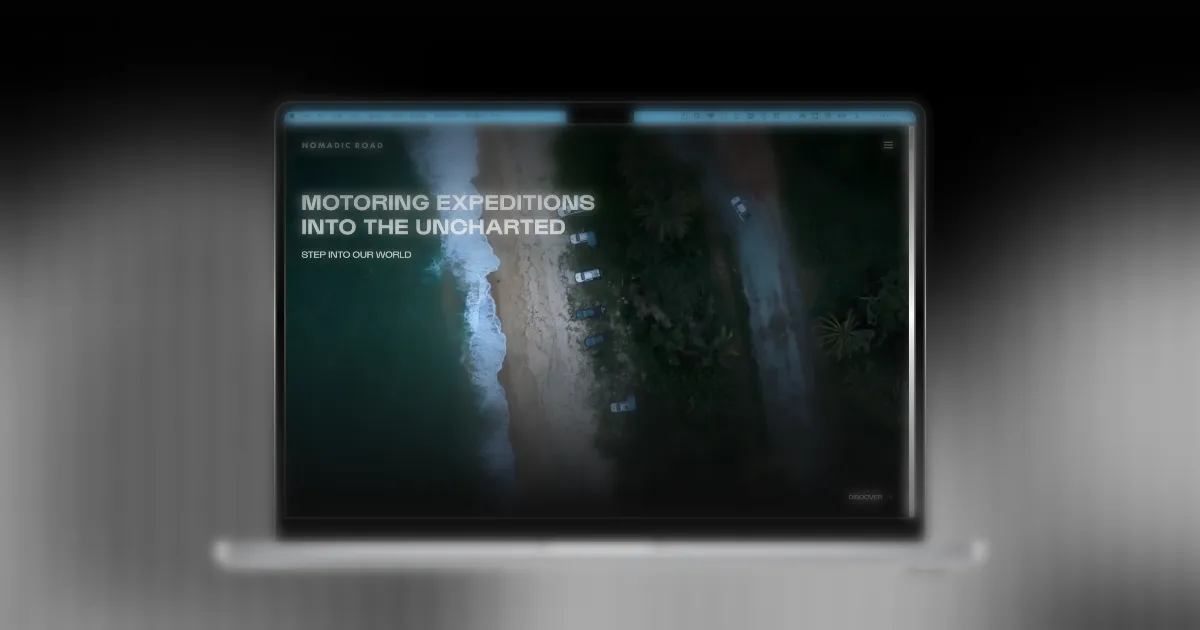
For Nomadic Road, the site redesign led to a +400% increase in confirmed departures. The previous site had existed for years but didn't reflect the quality of their expeditions.
The difference doesn't come from technology. It comes from understanding the customer journey, integrating emotional content, and implementing targeted SEO strategy.
How to evaluate whether a web agency truly understands tourism?
Five questions to ask during your first conversation.
"Show me 3 travel websites you've built." Not mockups, live sites with real clients. If the portfolio contains no travel sites, move on.
"How would you structure destination pages?" The right answer starts with emotion and storytelling, not price and itinerary. If the provider talks about "product pages," they're thinking e-commerce, not travel.
"What's included in SEO?" At minimum: optimized meta titles/descriptions, alt texts, structured data, optimized loading speed, mobile-first responsive. Bonus: blog strategy with targeted keywords.
"How do you integrate video?" The provider should talk about optimized hosting (not just a YouTube embed), video lazy loading, and autoplay for hero sections.
"Will I own the site?" The answer must be yes, from day one, unconditionally. If your site is "hosted with them" on a mandatory subscription, you're trapped.
How much does a specialized tourism web agency cost?
Rates are comparable to a good generalist. Specialization doesn't cost more, it produces better results.
A complete professional site with blog, SEO, and immersive design costs between €4,000 and €6,000. That's the sweet spot for most independent travel agencies. For a full pricing guide, see our article how much does a travel agency website cost.
The real question isn't price, it's return on investment. A €5,000 site that generates 4 quote requests per month pays for itself with 8 to 10 travelers per year. When your average trip costs €3,500, the math is straightforward. Details in our article on measuring your travel agency website ROI.
When should you consider a redesign?
Four signals that your current site is holding back your growth.
Your site generates zero inbound inquiries. If all your clients come from word-of-mouth or trade shows, your site isn't doing its job. An effective site should generate at minimum 2 to 3 quote requests per month.
Your photos aren't yours. Stock images on an adventure agency site is contradictory. Your prospects feel it.
You can't update your content. If every change requires contacting your developer (and paying), your site is slowing you down.
You don't appear on Google. Search your specialty on Google. If you're not in the top 10 results, your SEO has a problem. See our article why your travel agency is losing customers because of its website for a quick diagnosis.
Where to start?
If you're convinced a tourism specialist is the right choice for your web project, here are the next steps.
Run a quick audit of your current site. 5 minutes is enough: show your homepage to someone for 5 seconds, open it on mobile, search your specialty on Google. If you fail 2 out of 3, a redesign is justified.
Prepare your content. Inventory your best photos, videos, testimonials. Content is your website's fuel. The more authentic material you have, the better the result.
Contact a specialist for an initial conversation. A good provider will ask questions about your business, your clients, and your goals before discussing design or technology.
At Nomia Studio, we build websites exclusively for travel agencies, tour operators, and expedition organizers. Book a free 30-minute discovery call to see if we're the right partner. Also discover our travel agency website creation offer.
Questions fréquentes
An agency specializing in tourism understands the specificities of the sector: seasonality, long purchase paths, the importance of visual inspiration and SEO queries specific to travel. It will deliver a site optimized for these challenges from the start, with no learning curve.
Take a look at their portfolio and ask for examples of sites for travel agencies. Check their SEO results on tourist queries and their knowledge of industry tools. Verifiable customer references with concrete results are the best indicator.
Sites created by specialized agencies generate on average 2 to 4 times more qualified leads than those created by generalists. The difference comes mainly from the sectoral SEO strategy and the user experience adapted to the traveller's buying journey.
Not necessarily more expensive, but the investment is always more profitable. A site delivered by a tourism specialist generates results more quickly and sustainably, which brings the real cost per lead well below that of a general site.
Depuis le début ils nous font confiance pour la création de leurs contenu visuel ou web.